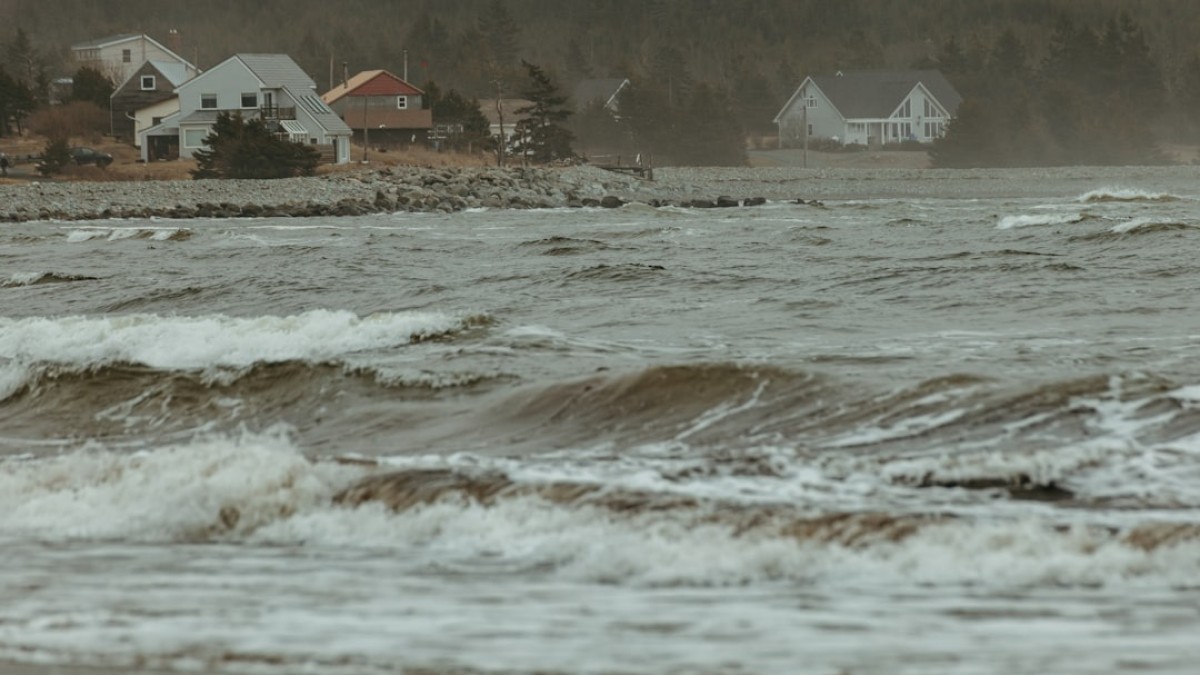
Introduction to Sea Level Rise
Understanding Sea Level Rise
As we delve into the intricate world of sea level rise, it becomes imperative to understand its primary causes and implications. Sea level rise is the increase in the average level of the ocean’s surface relative to the land, driven by a combination of factors:
- Thermal Expansion: As global temperatures rise, ocean water warms and expands. This thermal expansion is a significant contributor to rising sea levels.
- Melting Glaciers and Ice Sheets: The polar regions are witnessing accelerated melting of glaciers and ice sheets, particularly in Greenland and Antarctica. The loss of these massive ice reserves contributes substantially to sea level rise.
- Melting of Snow and Ice Caps: Even minor reductions in snow and ice caps can lead to observable increases in sea level over time.
According to the Intergovernmental Panel on Climate Change (IPCC), global sea levels have risen by approximately 8-9 inches since the late 19th century, with projections indicating a potential rise of 1 to 4 feet by 2100, depending on greenhouse gas emissions scenarios.
How Sea Levels Are Tracked
Modern Techniques for Measuring Sea Levels
Tracking sea level rise is crucial for understanding its impacts on coastal communities. Various advanced methodologies are employed:
-
Satellite Altimetry: This technology utilizes radar signals sent from satellites to measure the distance between the satellite and the ocean surface. The Jason series of satellites, for example, provide precise measurements that help scientists monitor global sea levels.
-
NOAA Data: The National Oceanic and Atmospheric Administration (NOAA) collects and maintains a vast array of coastal and oceanographic data. Their long-term tide gauge records are critical for understanding regional variations in sea levels.
- Tide Gauges: Located at multiple coastal sites worldwide, these gauges measure the height of the ocean surface relative to a specific benchmark on land. This provides vital localized data on sea level changes over time.
Real-World Consequences for Coastal Cities and Small Island Nations
A Global Perspective on Impact
The implications of rising sea levels are profound, affecting ecosystems, economies, and human lives. Here, we explore how these changes impact coastal cities and small island nations.
Coastal Cities
-
Increased Flooding: Urban areas like Miami, New York, and New Orleans are increasingly susceptible to flooding. Inundation events have become more frequent, disrupting communities and damaging infrastructure.
-
Erosion: Coastal erosion is worsening as rising water levels intensify the force of waves on shorelines. Cities such as Venice and Newport face severe land loss.
- Infrastructure Strain: Important infrastructure such as roads, bridges, and sewage systems is at risk, requiring massive investment in resilience and adaptation strategies.
Small Island Nations
Nations such as Maldives, Tuvalu, and Kiribati are among the most vulnerable. These countries face existential threats with projected sea rises potentially submerging entire landmass.
- Displacement of populations: With land diminishing, these nations grapple with the moral and logistical issues of relocating communities.
- Threats to fresh water supply: Rising seas can lead to saltwater intrusion, contaminating freshwater sources vital for survival.
Visuals and Interactive Tools
To better understand the implications of sea level rise, utilizing interactive tools such as the NASA Sea Level Viewer is highly recommended. This platform provides detailed visualizations that allow users to see projections of sea level rise for specific regions. To integrate this into your explorations:
- Visit the NASA Sea Level Change Viewer.
- Input relevant locations to view potential rising tide scenarios.
Explanation of Ocean Temperature Effects on Marine Biodiversity
Warming Oceans and Ocean Life
As sea levels rise, ocean temperatures similarly increase, leading to complex effects on marine biodiversity:
-
Coral Bleaching: Higher temperatures stress coral ecosystems, leading to bleaching. Coral reefs, vital for marine biodiversity, suffer severe degradation, affecting the multitude of species that rely on them.
-
Species Migration: Fish and marine mammals are increasingly migrating toward cooler waters, altering traditional fishing zones and impacting local fishing industries.
- Ecosystem Disruption: Changes in ocean temperature can disrupt food chains, threatening species diversity and stability in marine ecosystems.
Tips on Exploring Ocean Data Dashboards
Engaging with Oceanographic Data
Understanding ocean data can help engage communities and inform decision-making. Here are some recommendations for exploring ocean databases:
-
Utilize Public Dashboards: Websites such as NOAA’s CoastWatch and NASA’s EarthData offer datasets on ocean temperatures, sea level changes, and other key metrics.
-
Understand Metrics: Familiarize yourself with key terms like “thermal expansion,” “ice sheet melt,” and “sea surface temperature” to analyze the data effectively.
- Participate in Workshops: Many organizations host workshops teaching the utilization of ocean dashboards for community advocacy and planning.
Summary: Sea Level Impact Scorecard by Region
As we conclude, a focused summary of sea level rise impacts across various regions emphasizes the urgency for action:
| Region | Impact Score | Primary Challenges |
|---|---|---|
| Northeast U.S. | 8/10 | Flooding, Erosion, Infrastructure Damage |
| Southeast U.S. | 9/10 | Increased hurricanes, beach erosion |
| Western U.S. | 7/10 | Ecosystem changes, Coastal Acidification |
| Small Island Nations | 10/10 | Existential threat, population displacement |
| Northern Europe | 6/10 | Flooding, Agricultural Impact |
| South Asia | 8/10 | Saltwater intrusion, Displacement |
Conclusion
The urgency surrounding rising sea levels cannot be overstated. Coastal communities and small island nations must adopt comprehensive and proactive strategies to mitigate the impacts of rising water levels. This educational guide serves as a resource for coastal planners, marine biologists, and curious readers alike to engage with the data and advocate for sustainable solutions. The time to act is now; as the tides rise, so must our commitment to safeguarding our coastal ecosystems and the lives interwoven with them.
