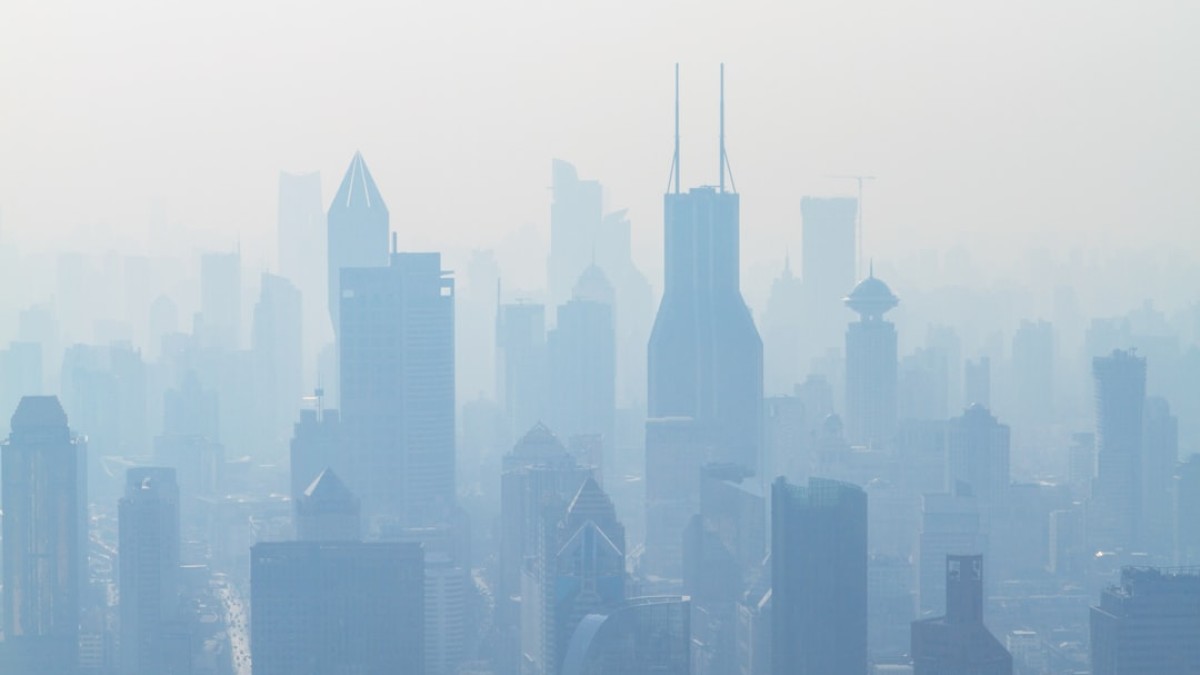
Air pollution is one of the most pressing environmental issues of our time, affecting not only the planet but also human health. In this comprehensive guide, we will explore the intricacies of air quality, how to monitor it, and actionable strategies to safeguard your health.
Understanding Air Quality Index (AQI) and Particulate Matter
What is AQI?
The Air Quality Index (AQI) is a standardized system used to gauge and communicate air quality levels. It ranges from 0-500, with lower values indicating cleaner air. Specific pollutant levels determine the AQI, including:
- PM2.5: Particulate matter with a diameter of 2.5 micrometers or less. These tiny particles can penetrate deep into the lungs and even enter the bloodstream, posing serious health risks.
- PM10: Particulate matter with a diameter of 10 micrometers or less. While not as harmful as PM2.5, they still pose health risks, especially for vulnerable populations.
AQI Categories and Their Meanings
Here is a quick breakdown of the AQI categories and what they mean for human health:
| AQI Value | Category | Health Implications |
|---|---|---|
| 0 – 50 | Good | Air quality is considered satisfactory, and air pollution poses little or no risk. |
| 51 – 100 | Moderate | Air quality is acceptable; however, some pollutants may be a concern for a small number of people. |
| 101 – 150 | Unhealthy for Sensitive Groups | Members of sensitive groups may experience health effects, but the general public is likely not at risk. |
| 151 – 200 | Unhealthy | Everyone may begin to experience health effects; members of sensitive groups may experience more serious health effects. |
| 201 – 300 | Very Unhealthy | Health alert: everyone may experience more serious health effects. |
| 301 – 500 | Hazardous | Health warnings of emergency conditions. The entire population is more likely to be affected. |
Understanding these categories is essential for making informed decisions about outdoor activities.
How Air Quality is Monitored
Technologies in Air Quality Monitoring
Air quality is monitored through a blend of advanced technologies:
-
Satellite Surveillance: Satellites such as NASA’s Aura provide a birds-eye view of air pollutants, offering large-scale data on various contaminants.
-
Ground Sensors: These are strategically placed monitoring stations that measure pollutants at a local level, providing real-time data.
-
OpenWeather API: This online service aggregates data from various sources, including satellite and sensor data, allowing users to access real-time air quality data.
- Mobile Apps: Many apps, like AirVisual and AQICN, use data from these sources to provide real-time AQI readings based on your location.
Real-Time AQI Check: A Step-by-Step Guide
-
Choose a Reliable App or Website: Visit platforms like AQICN or download an AQI app such as AirVisual.
-
Allow Location Access: Enable location services for the app to get real-time air quality data tailored to your area.
-
Read the AQI Levels: Check the AQI values and corresponding health implications. Pay close attention to any alerts or health warnings.
- Stay Updated: Many apps allow you to set notifications for AQI changes, helping you stay informed of potential health risks.
Cities with Poor vs. Good AQI: Health Outcomes
-
Cities with Poor AQI: Places like Delhi, India, and Beijing, China regularly experience AQI levels that fall into the "Unhealthy" or "Very Unhealthy" categories. Residents often report respiratory issues, cardiovascular diseases, and other long-term health effects.
- Cities with Good AQI: Conversely, cities such as Helsinki, Finland, and Wellington, New Zealand consistently feature good AQI levels. Their residents enjoy lower rates of air pollution-related diseases and better overall public health.
Health Risks of Poor Air Quality
Short-Term Risks:
- Eye irritation
- Coughing and throat irritation
- Shortness of breath
- Increased asthma attacks
Long-Term Risks:
- Chronic respiratory diseases (e.g., asthma, chronic obstructive pulmonary disease)
- Cardiovascular diseases (e.g., heart attacks, hypertension)
- Reduced lung function
- Premature mortality
According to the World Health Organization (WHO), air pollution is linked to approximately seven million premature deaths worldwide each year.
Tips for Protecting Yourself in Polluted Areas
1. Wear Masks
Opt for N95 or KN95 masks to filter out harmful particles, especially on days when the AQI is high.
2. Use Air Purifiers
Investing in a high-quality air purifier can significantly improve indoor air quality. Look for models with HEPA filters.
3. Incorporate Indoor Plants
Certain plants, such as spider plants and peace lilies, can help filter indoor air pollutants.
4. Limit Outdoor Activities
On days when air quality is poor, reduce time spent outdoors, especially during high-traffic hours.
5. Ventilation
Ensure your home is properly ventilated, but be cautious about opening windows on days with high outdoor pollution levels.
6. Regular Check-Ups
Routine health evaluations can help detect early symptoms related to air pollution exposure, especially for those with pre-existing conditions.
7. Educate Yourself
Understanding your local air quality and its potential impacts can help you make informed decisions about your health.
8. Advocate for Clean Air
Join local campaigns advocating for cleaner air policies. Community efforts can lead to effective changes at a systemic level.
9. Stay Hydrated
Drinking plenty of water can help your body flush out toxins and reduce inflammation caused by poor air quality.
10. Healthy Diet
Incorporate foods rich in antioxidants—like berries, spinach, and nuts—into your diet, which can help combat the oxidative stress caused by pollutants.
Conclusion
Air pollution is not just an environmental issue; it poses a significant threat to public health. By understanding the AQI, utilizing real-time monitoring tools, and adopting effective strategies, you can combat the negative impacts of air pollution and improve your overall well-being.
Infographic/Table Summary
This can serve as a handy reference for users to quickly interpret AQI values and corresponding health implications, as well as a visual display of effective strategies for protecting oneself from air pollution.
Resources for Further Reading
- World Health Organization (WHO) – Air Quality
- U.S. Environmental Protection Agency (EPA) – Air Quality Index
- Local air quality monitoring agencies
By implementing these strategies, you can breathe easier and take control of your health in the face of air pollution.
