Introduction to Carbon Dioxide and Global Temperature Anomalies
The air we breathe is vital to our health and well-being, making it imperative to understand the components that influence its quality. Among these components, carbon dioxide (CO₂) levels stand out due to their significant impact on both indoor air quality and the broader implications of global climate change. Rising CO₂ levels, often monitored by specialized instruments, indicate increased concentrations of this greenhouse gas, linking human activities—such as fossil fuel combustion—with climate change effects.
In tandem with CO₂ measurements, temperature anomalies reveal deviations from long-term climatic averages. Together, these metrics paint a stark picture of the planet’s health and how human activities exacerbate or mitigate environmental conditions. Understanding these concepts is not just for climate scientists; it’s vital for every individual concerned about the environment.
How Organizations Collect and Report Data
Several organizations are at the forefront of gathering and disseminating data on CO₂ levels and temperature anomalies. Below is a breakdown of notable contributors.
1. NASA (National Aeronautics and Space Administration)
NASA utilizes satellite technology to monitor atmospheric conditions globally. Instruments such as the Atmospheric Infrared Sounder (AIRS) measure varying levels of CO₂ in the atmosphere, detecting changes over time and contributing to our understanding of human-induced climate change.
2. NOAA (National Oceanic and Atmospheric Administration)
NOAA runs the National Centers for Environmental Information (NCEI), which compiles climate data from thousands of sources around the world. They produce monthly and yearly summaries of various climate indicators, including CO₂ concentrations and temperature anomalies, making this data accessible to the public.
3. Carbon Monitor
Carbon Monitor is an independent initiative that tracks global CO₂ emissions and provides detailed information on the contributions from different sectors, such as energy and transportation. Their real-time data serves to inform policy-makers and the general public about the current state of carbon emissions globally.
Data Collection Methodologies
These organizations employ varied methodologies for data collection, including:
- Ground station measurements: Instruments placed at multiple sites worldwide measure CO₂ levels and other metrics.
- Remote sensing: Satellites equipped with specialized sensors capture atmospheric data from space.
- Modeling: Climate models simulate atmospheric conditions to predict future trends based on current data.
This comprehensive approach enables accurate tracking of the ever-volatile atmospheric conditions.
Understanding Climate Anomaly Graphs or Charts: A Step-by-Step Guide
Graphs may seem intimidating, but understanding how to read them is essential for interpreting climate data effectively. Here’s a simple, step-by-step guide:
Step 1: Identify the Axes
Most climate anomaly graphs have two axes:
- Y-Axis (vertical): Typically represents the temperature changes in degrees Celsius or CO₂ levels in parts per million (ppm).
- X-Axis (horizontal): Generally displays the timeline, which could range from years to decades.
Step 2: Read the Data Points
Data points on the graph represent the recorded measurements at specific times. For instance, peaks may indicate significant temperature spikes or rises in CO₂ levels.
Step 3: Look for Trends
Observe whether the data points demonstrate a clear upward or downward trend over time. For example, an upward trend in CO₂ levels suggests that global emissions are increasing.
Step 4: Note Anomalies
Climate graphs often illustrate anomalies, which are differences from the long-term average. Anomalies can highlight unusual spikes in climate data, helping identify significant changes in climate patterns.
Real-World Examples
To visualize this data, you can explore platforms like the Live Earth Data Dashboard. This real-time platform showcases current CO₂ levels, temperature anomalies, and more through user-friendly visualizations.
Recent Data Trends and Predictions for the Next Decade
The latest data trends provide crucial insight into where our planet might be heading:
Rising CO₂ Levels
Global CO₂ levels have surpassed 400 ppm for the first time in human history. Recent studies show a worrying trajectory, with an increase of about 2.5 ppm per year. According to the IPCC (Intergovernmental Panel on Climate Change), if emissions continue at this pace, we could see alarming changes by 2030, including:
- A global temperature rise of 1.5 degrees Celsius.
- An increase in frequency and intensity of extreme weather events.
- Sea level rises that could endanger coastal communities.
Temperature Anomalies
Data indicates that the past decade has seen frequent and severe temperature anomalies. The 2020-2021 period alone experienced an increase of +1.2 degrees Celsius compared to pre-industrial levels, a significant observation that suggests a more unstable climate to expect in the next decade.
Predictions for 2030
If current trends persist:
- More regions may face severe drought conditions.
- Increased heatwaves could lead to higher mortality rates, especially among vulnerable populations.
- Agricultural productivity may decline, resulting in food security crises.
Human vs. Natural Influences on the Data
Understanding the influence of human and natural factors is crucial for interpreting climate data accurately.
Human Influences
- Fossil Fuel Consumption: The burning of coal, oil, and natural gas significantly contributes to rising CO₂ levels.
- Deforestation: Forests act as carbon sinks; thus, stripping land of these vital ecosystems exacerbates atmospheric CO₂ concentrations.
- Industrial Activities: Manufacturing processes release immense amounts of greenhouse gases into the atmosphere.
Natural Influences
While human actions are the predominant force driving climate change, natural phenomena also contribute:
- Volcanic Activity: Eruptions release carbon dioxide and other gases but are typically shorter in duration compared to industrial emissions.
- Oceanic Changes: Oceans absorb CO₂, but they can also release it when temperatures rise, indicating complex feedback mechanisms.
Conclusion
It’s clear that while natural factors play a role, human activities are the primary drivers of the alarming trends we see in CO₂ levels and temperature anomalies. The scientific consensus emphasizes immediate action to curb emissions to avoid disastrous outcomes.
Summary: Effective Actions for Individuals and Communities
What You Can Do
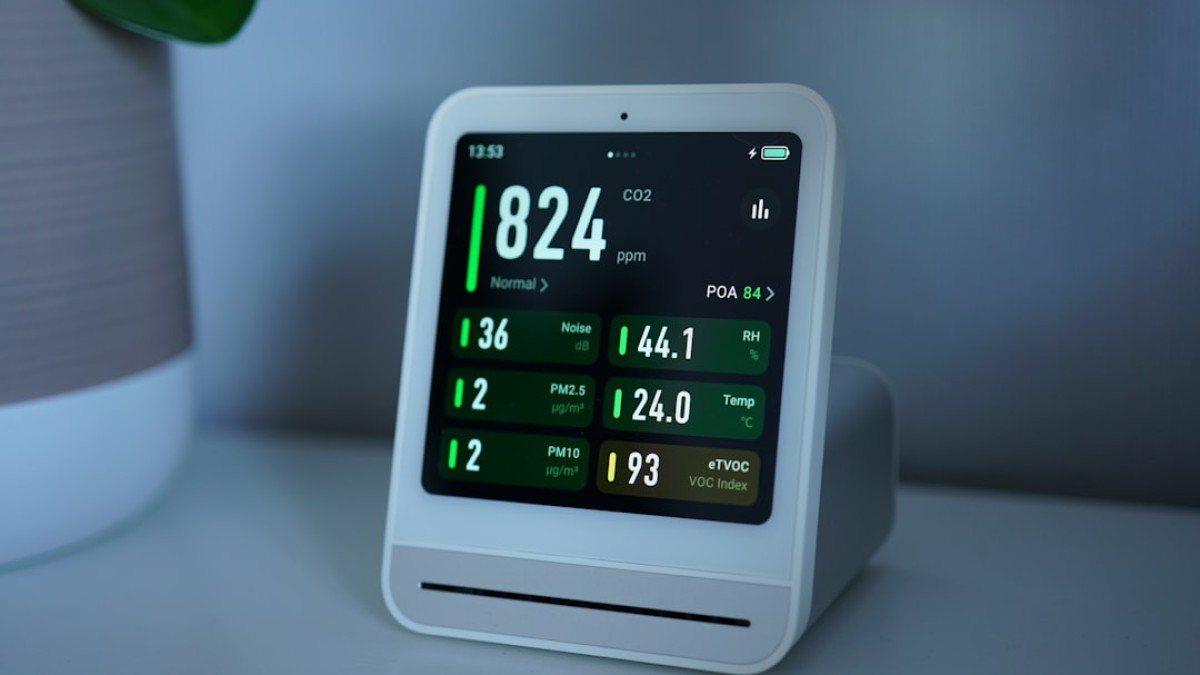
- Monitor Indoor Air Quality: Use CO₂ monitors in your home to stay aware of air quality levels. This can help improve health and productivity.
- Advocate for Renewable Energy: Support policies and technologies that promote clean energy sources.
- Reduce Carbon Footprint: Make lifestyle changes like using public transport, conserving electricity, and reducing waste to help lower individual contributions to global emissions.
- Educate Others: Share information about CO₂ and temperature anomalies to enhance community awareness of climate issues.
- Participate in Local Initiatives: Engage in tree planting and local sustainability programs that enhance community efforts to combat climate change.
By making informed decisions and actively participating in global efforts, individuals and communities can combat rising CO₂ levels and the accompanying climate crises.
By understanding the importance of carbon dioxide monitors, both indoors and globally, we can help foster a healthier environment and contribute to meaningful climate change mitigation. The time to act is now—breathe easy, stay informed, and make a difference.
