Introduction
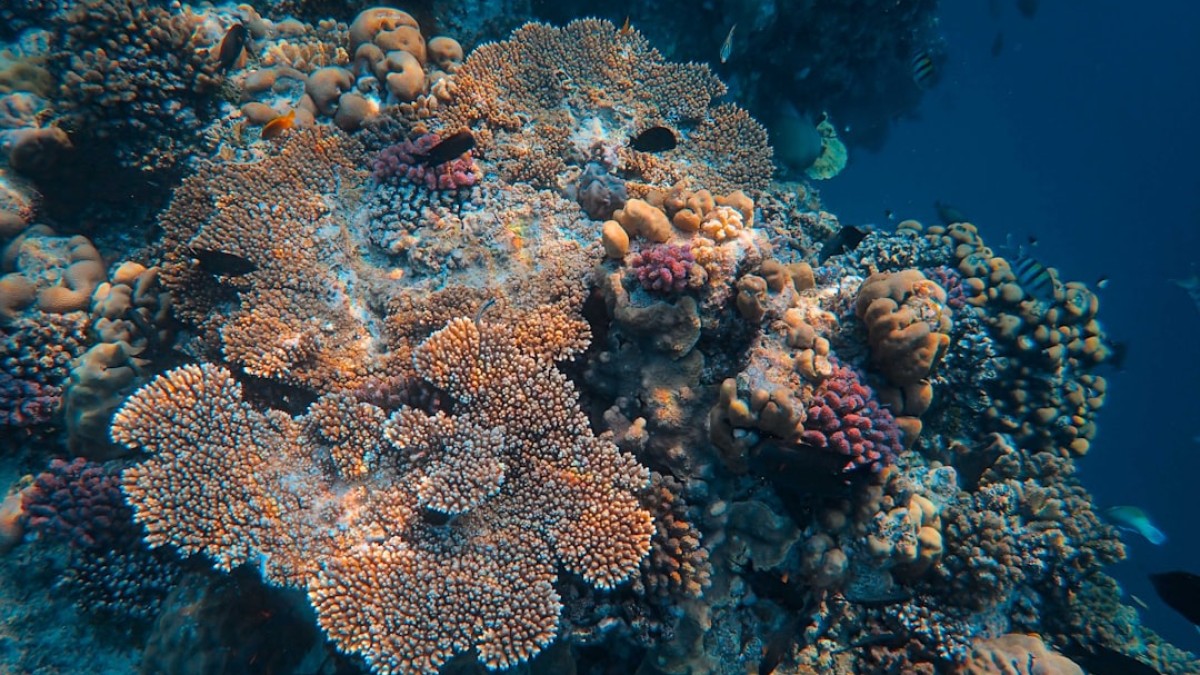
Coral reefs, often referred to as the “rainforests of the sea,” are crucial ecosystems teeming with biodiversity. These vibrant underwater landscapes provide habitat for thousands of marine species, protect coastlines from erosion, and support the livelihoods of millions of people worldwide. However, the escalating impacts of climate change, particularly sea level rise and ocean warming, are threatening these vital ecosystems. This article serves as an educational guide and current status report, detailing the silent crisis unfolding in our oceans and the urgent need for action.
Understanding Sea Level Rise
Causes of Sea Level Rise
Sea level rise is primarily driven by two major factors: the melting of glaciers and ice sheets and the thermal expansion of seawater.
-
Melting Glaciers and Ice Sheets: As global temperatures increase, glaciers and ice sheets in places like Greenland and Antarctica are melting at unprecedented rates. According to NASA, Greenland’s ice sheet lost approximately 279 billion tons of ice annually between 1993 and 2019. This influx of freshwater into the oceans significantly raises sea levels, resulting in detrimental consequences for coastal regions.
- Thermal Expansion: As the ocean absorbs heat from climate change, seawater expands. This thermal expansion has contributed to about half of the sea level rise observed over the last century. As warmer water takes up more space, the overall volume of the oceans increases, exacerbating the rise in sea levels.
Tracking Sea Levels
Monitoring sea levels is critical for understanding the extent of this crisis. Scientists use various methods to measure sea level changes accurately:
-
Satellite Altimetry: Satellites equipped with altimeters can measure the height of the ocean surface with impressive precision. NASA’s Jason series of satellites provides real-time data on sea level rise, helping researchers track changes across the globe.
-
NOAA Data: The National Oceanic and Atmospheric Administration (NOAA) in the United States operates extensive tide gauge networks, which measure sea level changes at fixed locations. This long-term data is crucial for understanding regional differences in sea level rise.
- Tide Gauges: Local tide gauges provide historical data that can be compared with satellite measurements to identify trends over time. These gauges are essential for local governments and planners who need to assess risks and prepare for rising waters.
Real-World Consequences for Coastal Cities and Small Island Nations
The impact of rising sea levels is felt most acutely in coastal cities and island nations:
-
Coastal Flooding: Cities like Miami, New Orleans, and Jakarta are facing increased flooding due to rising waters. Projections indicate that by 2050, more than 150 million people could be displaced by rising sea levels, with densely populated coastal areas being particularly vulnerable.
-
Erosion and Land Loss: Coastal erosion is expected to worsen as sea levels rise. This not only threatens human settlements but also crucial habitats such as mangroves and salt marshes, which provide breeding grounds for marine life.
-
Threat to Freshwater Supplies: Saline intrusion threatens freshwater resources in coastal areas, disrupting agriculture and drinking water supplies. For example, in the Maldives, rising seas can contaminate freshwater aquifers, making freshwater access increasingly difficult.
- Displacement of Populations: Small island nations like Kiribati and Tuvalu are already grappling with the reality of being submerged. As their land erodes, entire communities are at risk of disappearing, leading to a humanitarian crisis.
Visuals and Maps of Impacted Zones
To understand the gravity of the situation, examine the following tools:
- NASA Sea Level Viewer: This interactive tool allows users to visualize sea level rise projections for various locations globally. Visit NASA Sea Level Viewer to explore how different levels of sea rise can impact specific regions.
(Include actual link or embed function if available)
The Effects of Ocean Temperature on Marine Biodiversity
As global temperatures rise, ocean temperatures are also increasing, leading to severe impacts on marine ecosystems, particularly coral reefs.
-
Coral Bleaching: Elevated ocean temperatures disrupt the symbiotic relationship between corals and the algae (zooxanthellae) that live within their tissues. When stressed by heat, corals expel these algae, resulting in coral bleaching. A staggering 75% of the world’s corals experienced bleaching in 2016, with many struggling to recover.
-
Altered Ecosystems: Warmer oceans affect marine biodiversity, disrupting food webs and altering species distributions. Many marine species are forced to migrate to cooler waters, disrupting ecosystems and leading to potential extinctions.
-
Changes in Reproductive Cycles: Temperature fluctuations can affect the breeding patterns of marine species, leading to declines in populations of fish and other essential marine organisms. Coral reefs, in particular, rely on a stable environment for successful breeding and growth.
- Ocean Acidification: Increased CO₂ levels result in more carbonic acid in seawater, decreasing pH levels and affecting marine life, especially organisms with calcium carbonate shells or skeletons. This acidification can weaken coral structures, making them more susceptible to damage and less resilient to stress.
Exploring Ocean Data Dashboards
Accessing and analyzing ocean data can inform better planning and conservation strategies. Here are some resources:
-
NOAA Climate.gov: Provides comprehensive data on climate variables, including sea level and ocean temperature. Users can navigate through various datasets for research or analysis.
-
Copernicus Marine Environment Monitoring Service (CMEMS): Offers free access to oceanographic data and forecasts, including sea temperature, salinity, and currents.
-
Marine Traffic: While primarily used for tracking vessels, this tool can provide insights into shipping routes that may be impacted by rising sea levels.
- Data Visualization Tools: Familiarizing yourself with data visualization tools such as Tableau or GIS software can help in interpreting complex datasets effectively.
Summary and Sea Level Impact Scorecard
The urgency of addressing coral reef decline and rising sea levels cannot be overstated. Below is a scorecard summarizing the impact of sea level rise by region, assessing vulnerability and implications for coastal planners and marine biodiversity:
| Region | Vulnerability Level | Projected Sea Level Rise (by 2050) | Key Impacts |
|---|---|---|---|
| Southeast Asia | High | 1 – 2 meters | Coastal flooding, habitat loss |
| Caribbean Islands | Very High | 1 – 2 meters | Displacement, freshwater scarcity |
| Eastern USA (Florida) | High | 1 – 1.5 meters | Increased flooding, property damage |
| South Pacific Islands | Extremely High | 1 – 3 meters | Land loss, refugee crises |
| Western Europe | Moderate | 0.5 – 1 meter | Coastal infrastructure damage |
| Arctic Regions | High | 0.5 – 1 meter | Habitat loss for polar species |
Conclusion
The decline of coral reefs is not merely an environmental issue; it is a multifaceted crisis that affects biodiversity, economies, and communities worldwide. Through education, data analysis, and urgent action, the global community can work together to combat the impacts of climate change on coral reefs and coastal ecosystems. As responsible stewards of the planet, we must confront this silent crisis, ensuring the survival of these invaluable underwater gardens for generations to come.
By understanding the complex dynamics of sea level rise, ocean warming, and their devastating impacts, we can craft informed strategies that protect both human and marine life in the face of this escalating global challenge.
